Can thermal imaging really "see through walls"? Uncovering the truth about a misunderstood technology
Shaanxi Ireeda Protective Technology Co., Ltd.
Engineer Manager : Ms.Melin
WhatsApp: +8618291418396
E-mail: melin@ireeda.com
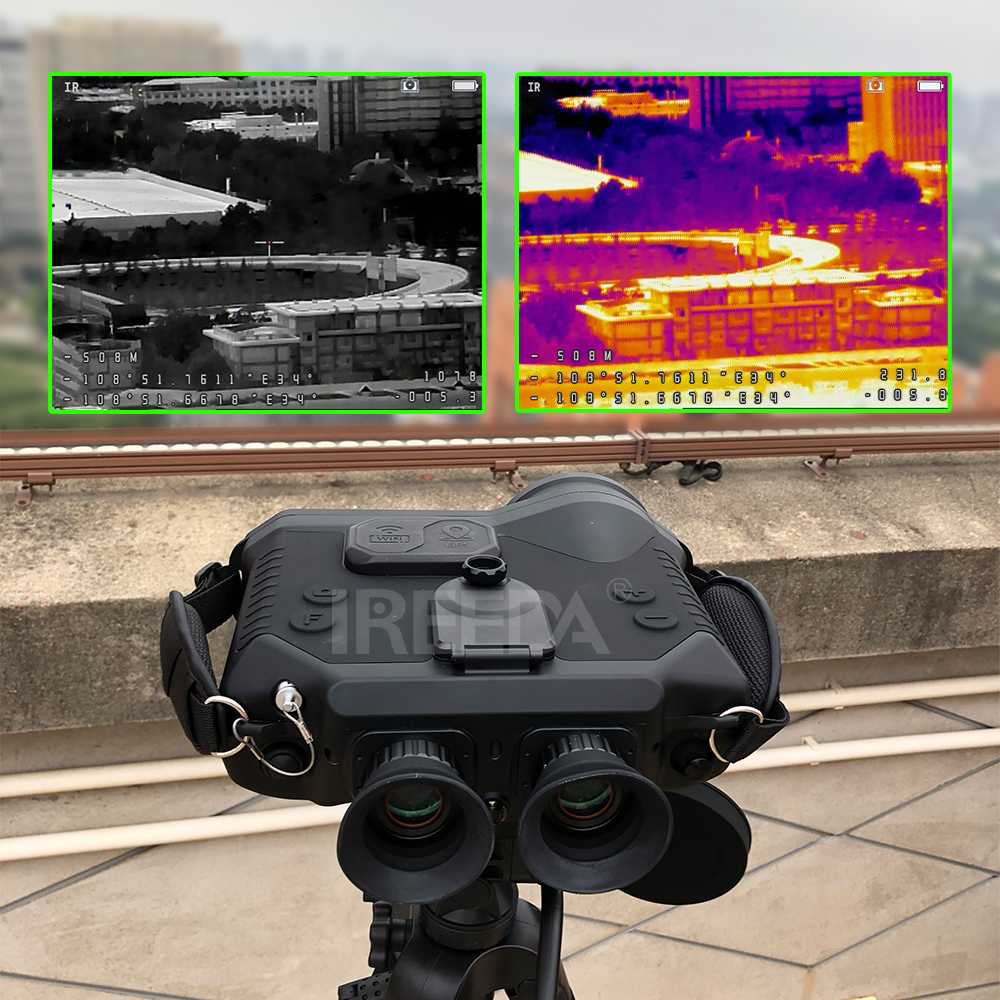
Thermal imaging works by capturing infrared radiation emitted by objects and converting it into a heat map. High-temperature objects, such as animals and heat-generating appliances, emit strong infrared radiation, appearing in striking colors on a thermal map.
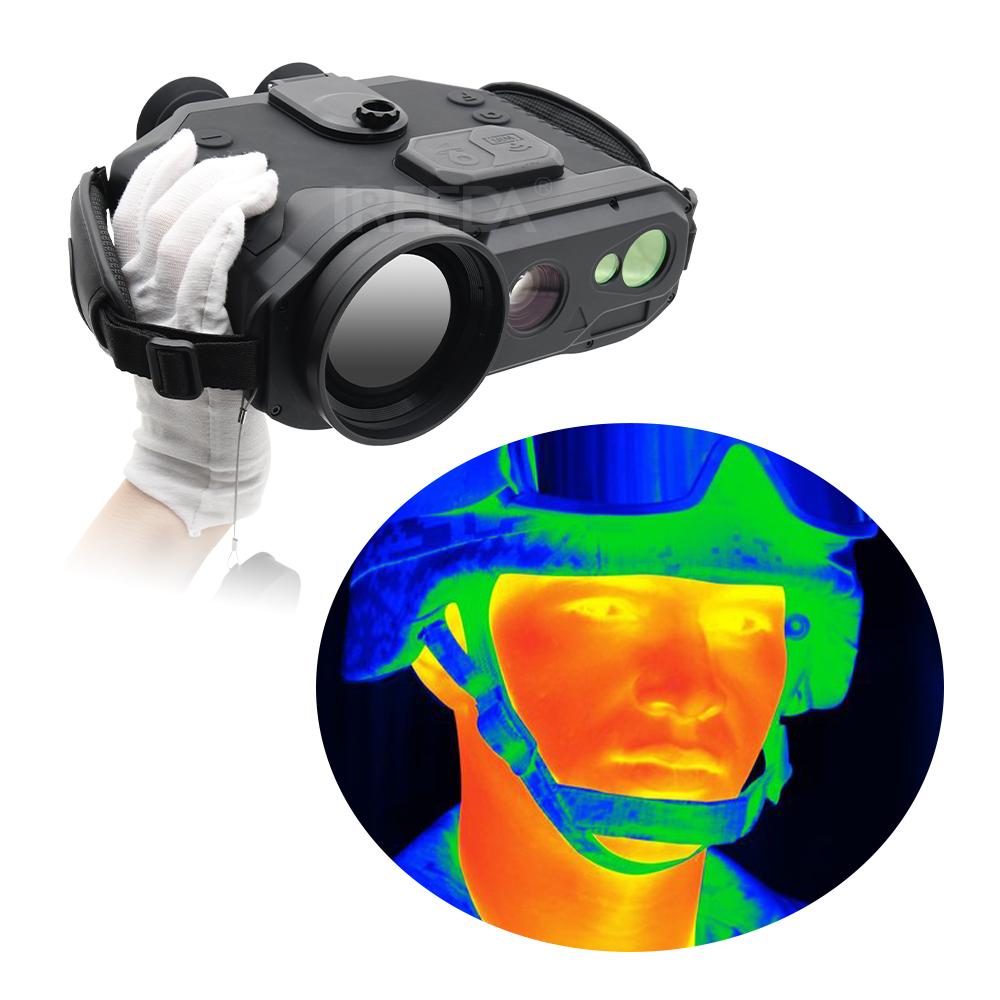
However, infrared radiation has extremely low penetrating power. Walls, regardless of their material, act as a "hard barrier" to infrared radiation. Infrared radiation has a longer wavelength and lower energy than visible light, so it is largely absorbed or reflected by walls, preventing it from reaching behind.
Even if there is a heat source behind the wall, the heat transfer to the wall is slow and subtle. A thermal imager can only capture a vague "hot spot" on the wall; it can never reveal the object behind it. This is like touching the wall next to a heater and not being able to tell the shape of the heater.
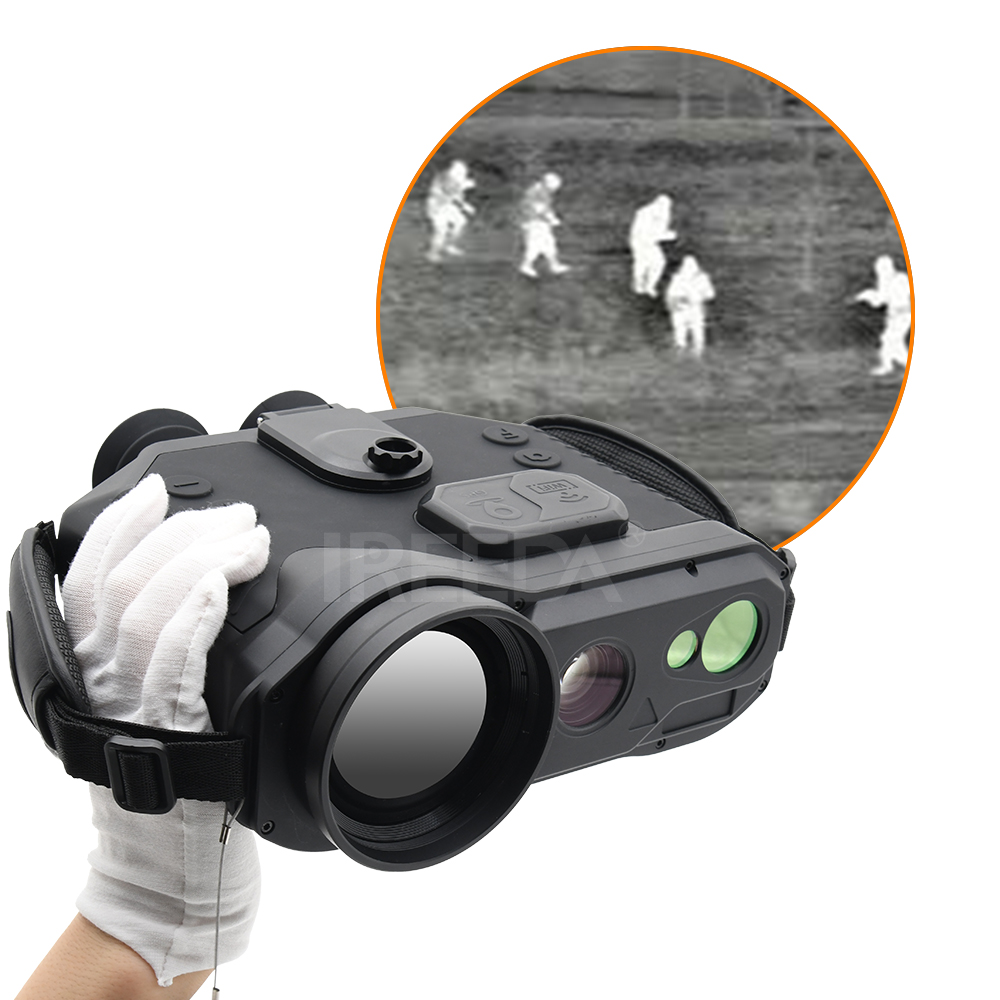
Some believe that thermal imaging can "see through" plastic bags and thin cloth because these materials are thin and low-density, thus providing little infrared resistance. However, the thickness and density of walls far exceed the penetration limit of infrared radiation.
The value of thermal imaging lies in capturing temperature signatures in the absence of light, such as locating trapped people in a fire or detecting overheating in circuits, not in "seeing through walls."