The difference between low-light night vision goggles and infrared night vision goggles
Shaanxi Ireeda Protective Technology Co., Ltd.
Engineer Manager : Ms.Melin
WhatsApp: +8618291418396
E-mail: melin@ireeda.com
1.Different working principles
Low-light-level night vision devices are "passive" devices, which rely on image intensifier tube technology: they capture weak natural light in the environment (such as starlight, moonlight, and reflections of distant lights), amplify photon signals by thousands to tens of thousands of times through photoelectric conversion, and finally form visible images without actively emitting any light throughout the process.
Infrared night vision devices (usually referred to as active) are "active" devices: they have built-in infrared LEDs or lasers, actively emit infrared light that is invisible to the human eye (mostly with a wavelength of 850nm or 940nm), receive reflected infrared signals after irradiating the target, and then convert them into images through sensors (such as CCD/CMOS), and can work even in a completely dark environment.
2.Performance and Limitation Differences
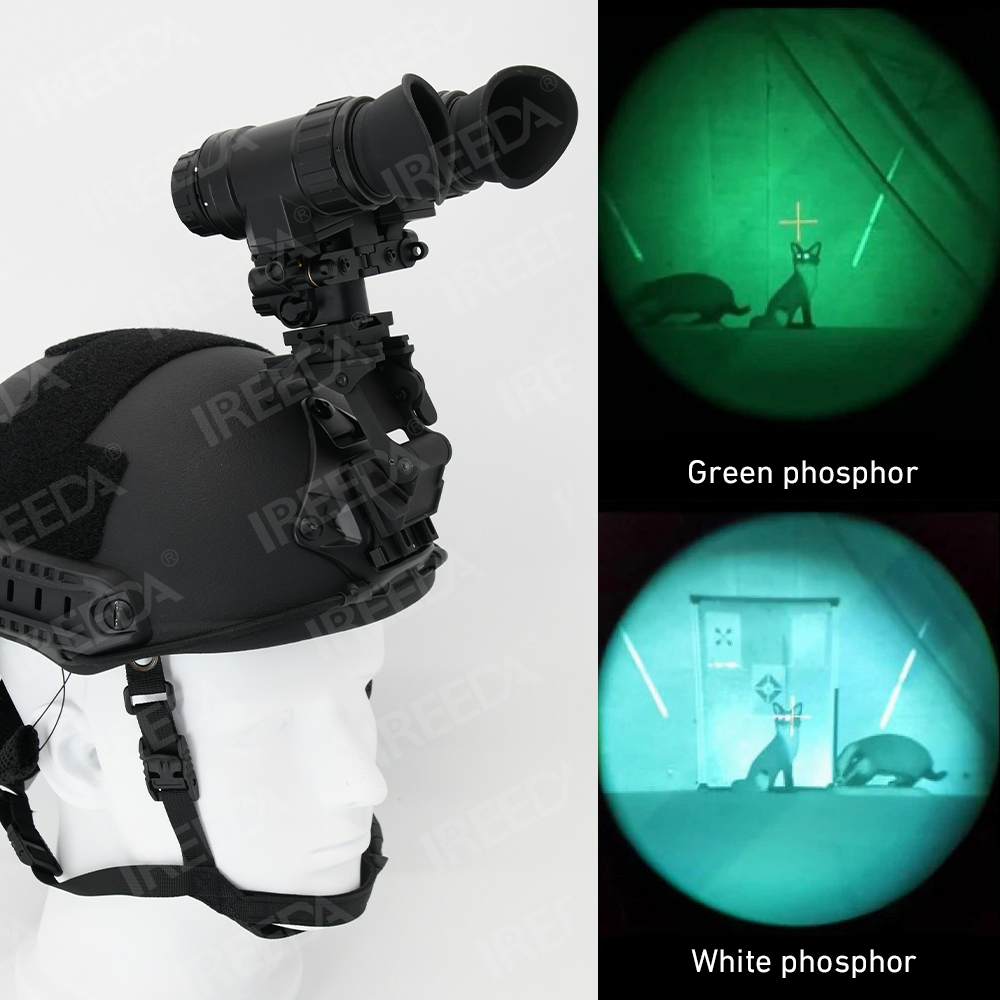
- Imaging effect: The image of low-light night vision is closer to the natural scene, with high detail restoration, especially when there is weak light (such as moonlit night), it can present a more layered picture; infrared night vision imaging is mostly monochrome (black and white or green), the picture contrast is high but the details are relatively simple, and "overexposure" may occur at close distances.
- Environmental adaptability: Low-light night vision is significantly affected by ambient light and is almost ineffective in a completely dark environment (such as a closed cave); infrared night vision is completely unrestricted by ambient light, but the detection distance is restricted by the infrared transmission power (civilian models are usually within 300 meters, and military high-power models can reach kilometers).
- Concealment: Low-light night vision devices have no active light source, so they are not easily detected by the enemy and have extremely strong concealment; the infrared light source of active infrared night vision devices may be captured by the opponent's infrared detection equipment, and the concealment is relatively weak (except for passive infrared thermal imagers, but their principles are different from low-light and active infrared).
3.Applicable scenarios and costs
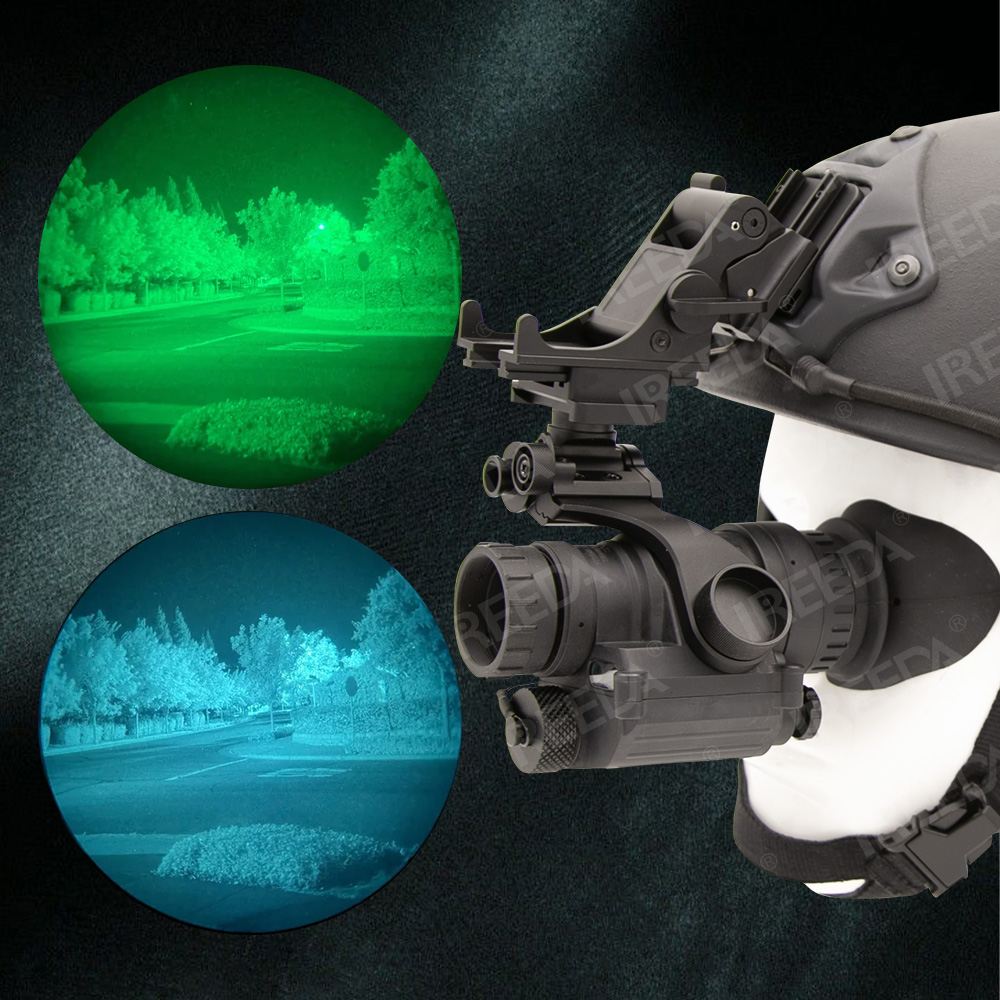
Low-light-level night vision devices are suitable for scenarios that require concealment, such as military reconnaissance, field night observation, hunting, etc. The core component, image intensification tubes (especially Gen2+ and above), are expensive, and the price of high-end models can reach tens of thousands of yuan;
Infrared night vision devices are more suitable for operations in completely dark environments, such as mine rescue, night security patrols, etc. Civilian models have lower technical thresholds (relying on sensors and infrared modules) and are more affordable. Products in the thousands of yuan range can meet basic needs.
In addition, there are "low-light + infrared" dual-mode night vision devices, which combine the advantages of two technologies to cope with complex light environments, but the price is also correspondingly higher.