
Why can thermal imaging vehicle cameras cope with complex scenes?
Shaanxi Ireeda Protective Technology Co., Ltd.
Engineer Manager : Ms.Melin
WhatsApp: +8618291418396
E-mail: melin@ireeda.com
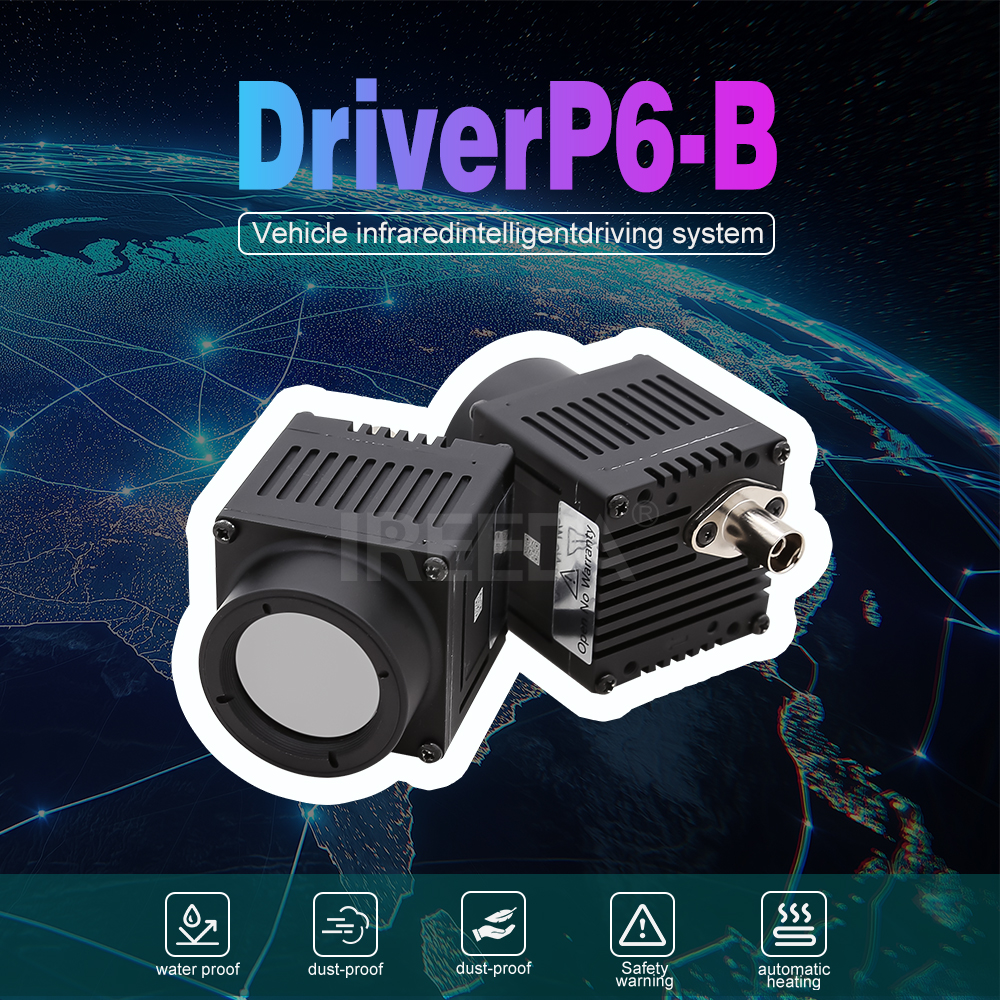
The reason thermal imaging vehicle cameras can handle complex scenarios lies in their underlying principle of "not relying on visible light, only recognizing temperature differences" — they capture infrared radiation (heat signals) emitted by objects themselves, and the characteristics of these signals just happen to overcome the limitations of traditional vision (which depends on visible light). Specifically, their ability to handle different complex scenarios works as follows:
1. Nighttime or lightless scenarios: No "pickiness" — it can "see" even without light
Traditional cameras and the human eye rely on visible light (sunlight, car headlights, etc.) to form images, so they "go blind" in the absence of light at night. However, thermal imaging centers on capturing infrared radiation emitted by objects themselves — as long as an object’s temperature is above absolute zero (-273.15°C), it continuously emits infrared radiation, regardless of whether there is light in the environment.
For example, on a rural road with no streetlights late at night, the body temperature of pedestrians or animals (30-37°C) is much higher than that of the cold road surface (possibly 5-10°C). Their infrared radiation is captured by the thermal imaging lens, converted into "bright targets" on the thermal image, allowing drivers to detect them even in complete darkness.
2. Adverse weather (fog, rain, snow): "Penetration power" far surpasses visible light
In heavy fog, heavy rain, or snow, visible light (with a wavelength of 0.4-0.7 microns) is heavily scattered by small water droplets or snowflakes in the air, resulting in blurry images (like looking through frosted glass). However, the infrared radiation relied on by thermal imaging (especially the 8-14 micron band commonly used in vehicles) has a longer wavelength and is hardly scattered by these small particles, giving it much stronger penetration.
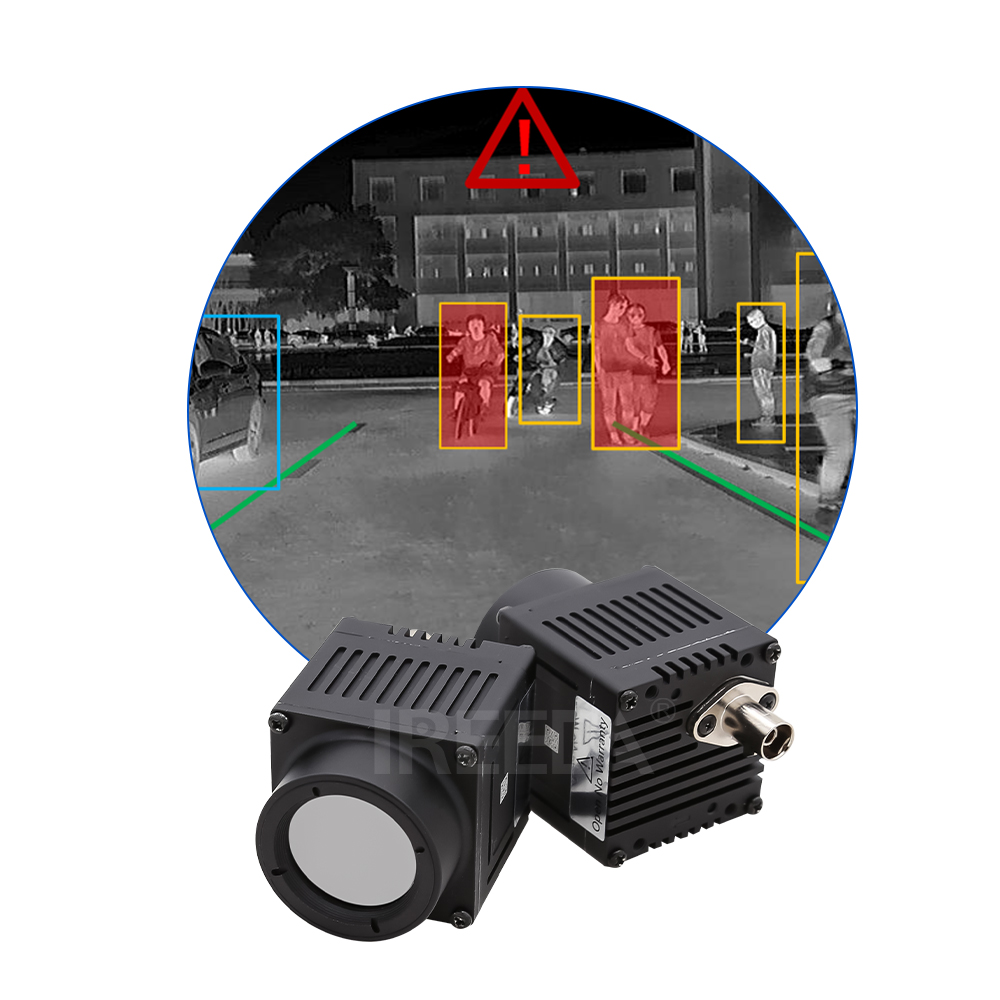
For instance, on a foggy winter day, a vehicle 50 meters away may only appear as a blurry light to the naked eye, but thermal imaging can penetrate the fog, capture the residual heat of the vehicle’s engine (warmer than the air) and the body temperature of people inside, clearly showing the vehicle’s outline and position to avoid rear-end collisions.
3. Scenarios with obstructions: "Sees through" obstructions, focusing only on "heat differences"
When pedestrians hide behind trees, animals lie in grass, or electric bikes are concealed behind green belts — in such cases, visible light is blocked by obstructions like leaves, grass, or shrubs. But thermal imaging focuses on identifying temperature differences between targets and obstructions:
- Human body temperature (37°C) > tree leaves/shrubs (usually 10-25°C);
- Animal body temperature (35-40°C) > grass (5-20°C).
Even if the target is blocked, its heat signals (higher than the obstruction) still "leak" through gaps or edges, forming obvious bright areas on the thermal image, like "glowing" to be identified. For example, when turning, thermal imaging can detect an electric bike behind a green belt in advance, preventing collisions.
4. Long-distance scenarios: "Sees farther" for early warning
The illumination range of ordinary car headlights is usually only 50-100 meters, and the effective recognition distance of traditional cameras is similar. However, thermal imaging cameras can capture infrared radiation from 200-500 meters away (depending on lens and detector performance). This is because infrared radiation attenuates less during transmission than visible light, and thermal imaging doesn’t need to "illuminate" targets — it only passively receives their own radiation, thus enabling longer detection.
For example, on a highway, if a vehicle breaks down 300 meters ahead, the driver may not see it clearly yet, but thermal imaging will already capture the residual heat of the vehicle’s engine, mark "danger" on the screen in advance, and remind the driver to slow down.
Summary
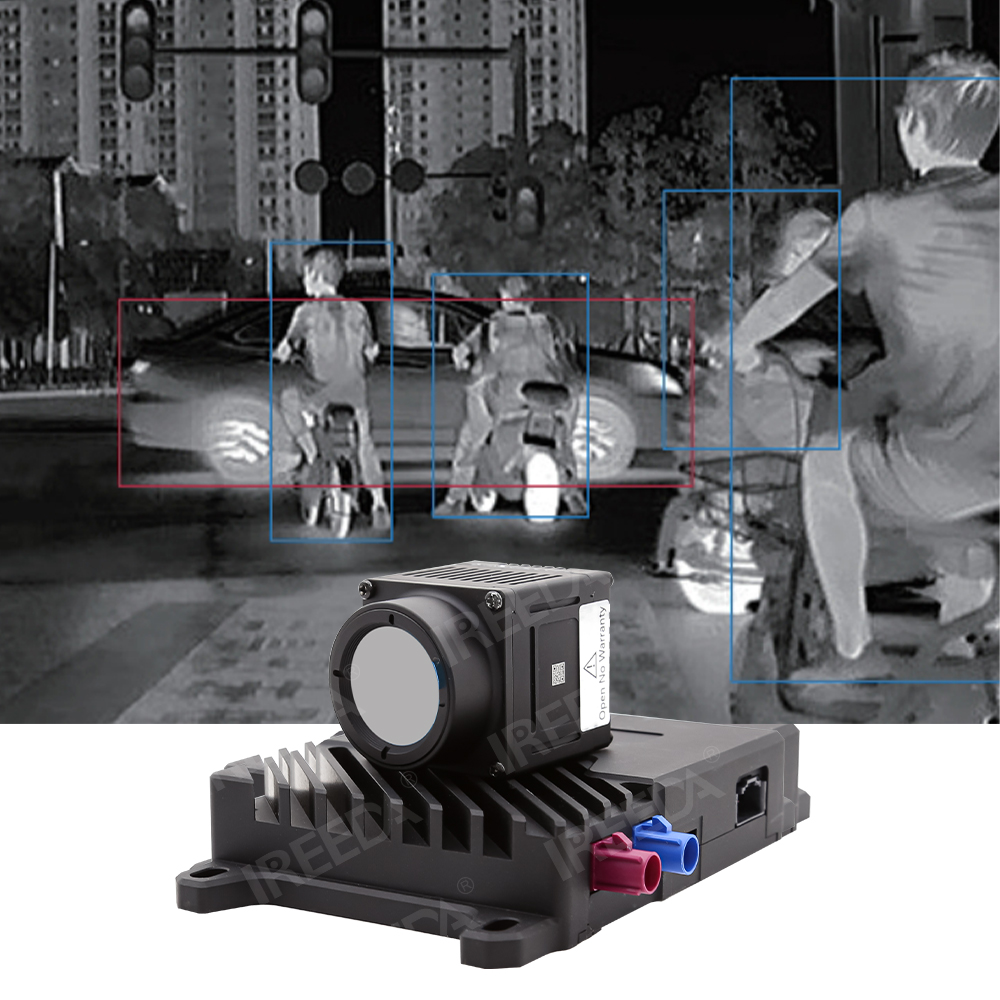
The core logic of thermal imaging vehicle cameras in handling complex scenarios is their "passive reception of infrared radiation" imaging method — they don’t rely on ambient light, aren’t affected by scattering from small particles, identify targets based on temperature differences, and can detect longer distances. This characteristic allows them to overcome many limitations of traditional vision (which depends on visible light), making them a "safety supplement" in complex scenarios.