
Night vision black technology: How civilian-grade image intensifier tubes light up your dark night vision
What is an image intensifier tube?
The image intensifier tube is the core component of night vision equipment, and the "night vision" function is achieved through the following three steps:
Photon capture: In a dim light environment, the objective lens collects weak ambient light (moonlight/starlight)
Electronic conversion: The photocathode converts photons into electron flow
Signal amplification: The microchannel plate (MCP) amplifies the electron flow thousands of times
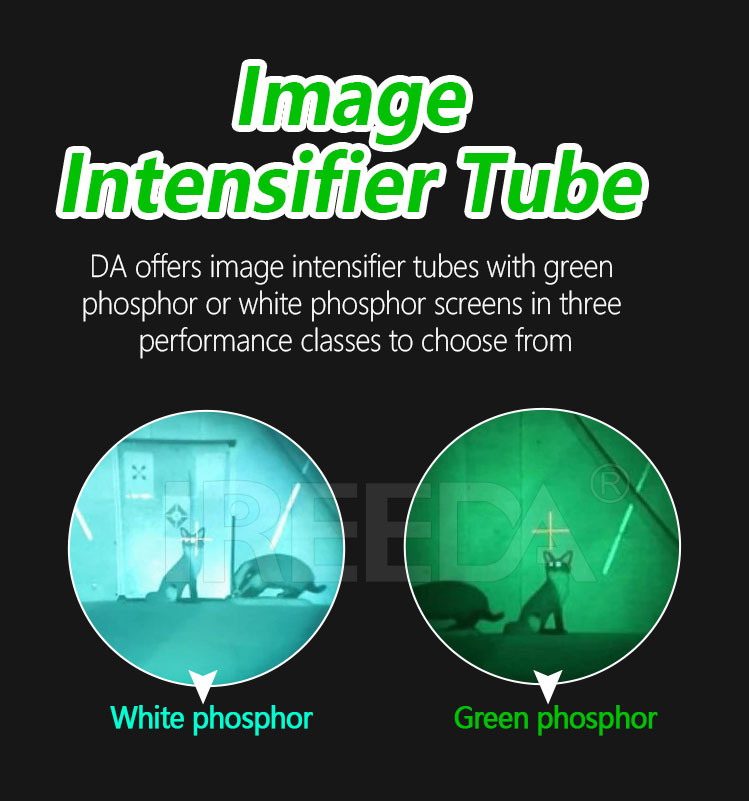
Image presentation: The fluorescent screen converts the electronic signal into a visible green image
Civilian application scenarios
Outdoor adventure: Mountaineering enthusiasts use ENVIS-3 equipment to obtain a green image at 0.01 Identify terrain 200 meters away under lux illumination
Wildlife observation: The British Ecological Association uses Gen2+ equipment to record the behavior of nocturnal animals and reduce light interference
Security monitoring: The low-light monitoring system developed by Germany's Securiton company retains 30% more details than infrared cameras
Astronomical observation: Used with a telescope, it can observe 9th magnitude dark stars (the limit of the naked eye is about 6th magnitude)
Purchasing guide
Generation selection:
Gen2: Suitable for urban low-light environments
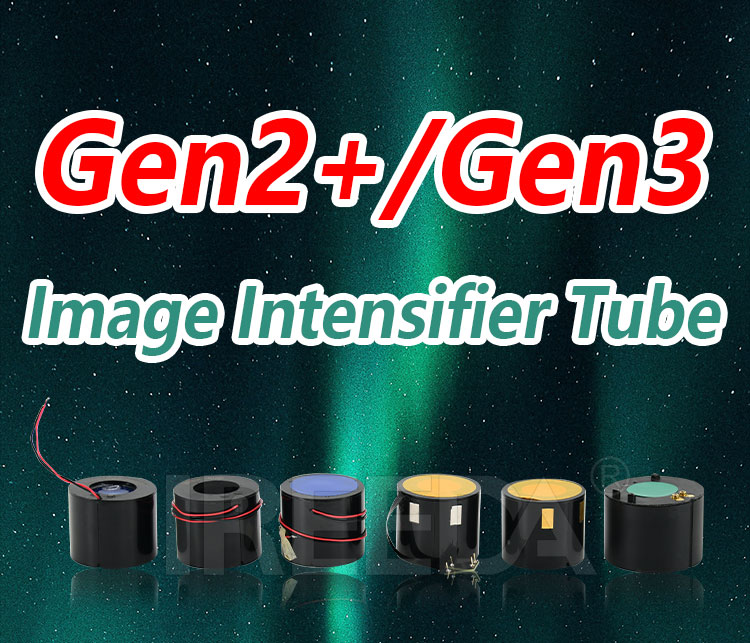
Gen3: Meet most outdoor needs
Note: The so-called "Gen4" on the market is mostly false propaganda
Key parameters:
Signal-to-noise ratio (SNR): >20 is better
Resolution: >50 lp/mm can clearly identify human faces
Automatic brightness control: a must-have function to prevent damage from strong light
Maintenance tips:
Avoid direct sunlight (>30 seconds may cause permanent damage)
Storage humidity <60%
Clean the objective lens regularly