What factors affect the life of image intensifiers?
Shaanxi Ireeda Protective Technology Co., Ltd.
Engineer Manager : Ms.Melin
WhatsApp: +8618291418396
E-mail: melin@ireeda.com
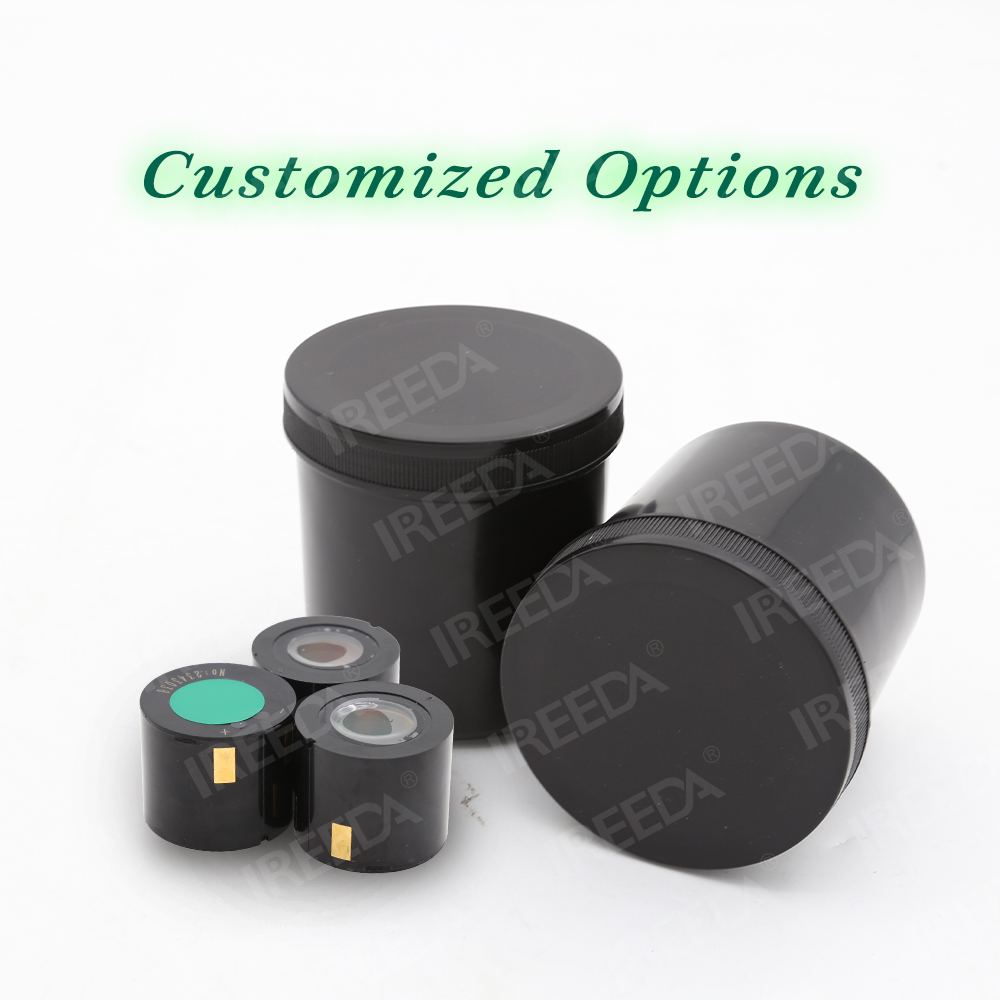
In the core components of night vision devices, the performance and service life of image intensifiers are directly related to the operational effectiveness and return on investment of the equipment. Although different types of image intensifiers have theoretical service lives, in practical application scenarios, their actual service durations are influenced by a combination of multiple factors. This article will systematically analyze these influencing factors and propose scientific maintenance strategies to ensure the long - term stable operation of image intensifiers.
The basic type of an image intensifier is an important prerequisite for determining its service life. Taking the common second - generation and third - generation image intensifiers as examples, under normal operating conditions, the service life of second - generation image intensifiers typically ranges from 5,000 to 10,000 hours. In contrast, third - generation image intensifiers, with their more advanced photoelectric conversion technologies and material processes, have a theoretical service life of up to 10,000 to 15,000 hours. However, these theoretical data only represent the performance in ideal environments, and in actual use, environmental factors will significantly alter these expected durations.
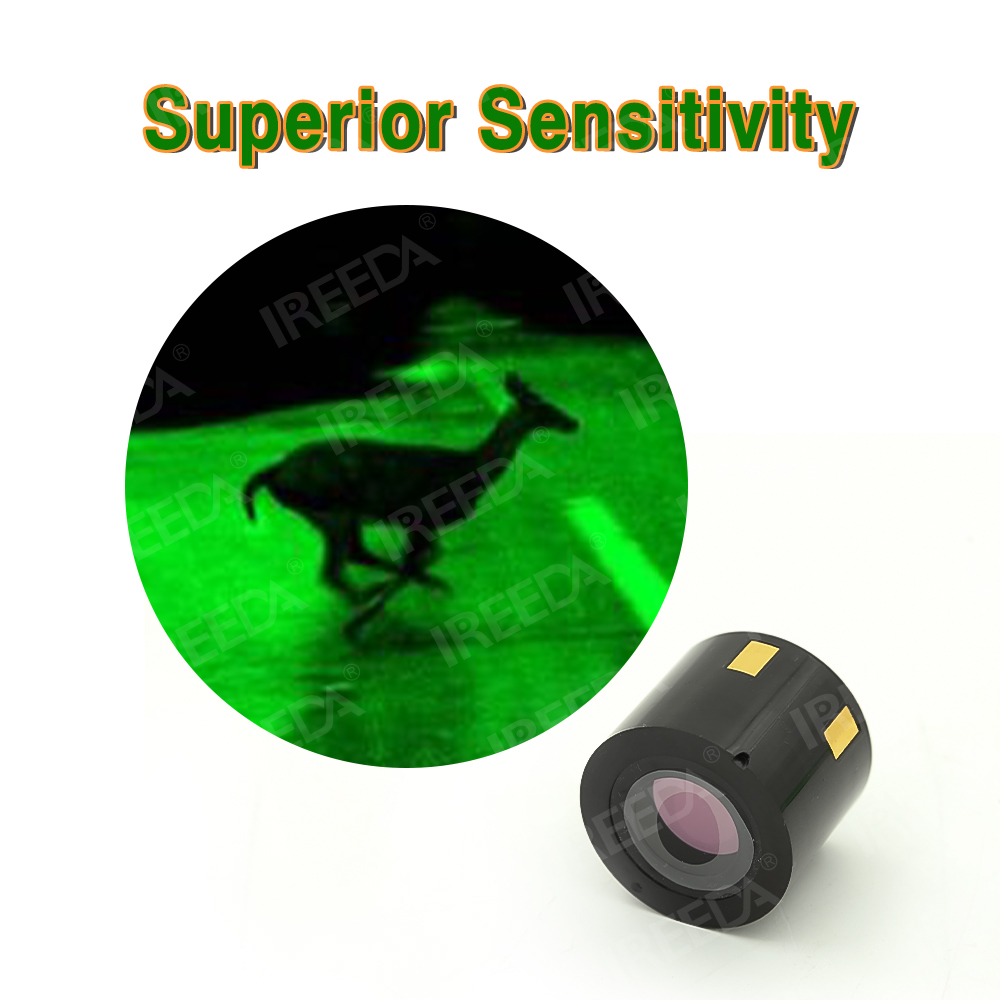
Environmental factors play a decisive role in the service life of image intensifiers. High - temperature and high - humidity environments accelerate the aging process of the internal electronic components of image intensifiers and cause phenomena such as delamination and cracking of the optical coatings. When particulate pollutants such as sand, dust, and salt spray enter the interior of the device, they will wear the surface of the optical lenses and damage the vacuum - sealed structure, leading to a decline in performance. Experimental data shows that continuous use in extreme sand - dust environments can reduce the effective service life of image intensifiers by 20% - 30%. In contrast, when used in stable - temperature, clean, and dry environments, the equipment is more likely to approach its theoretical service life.
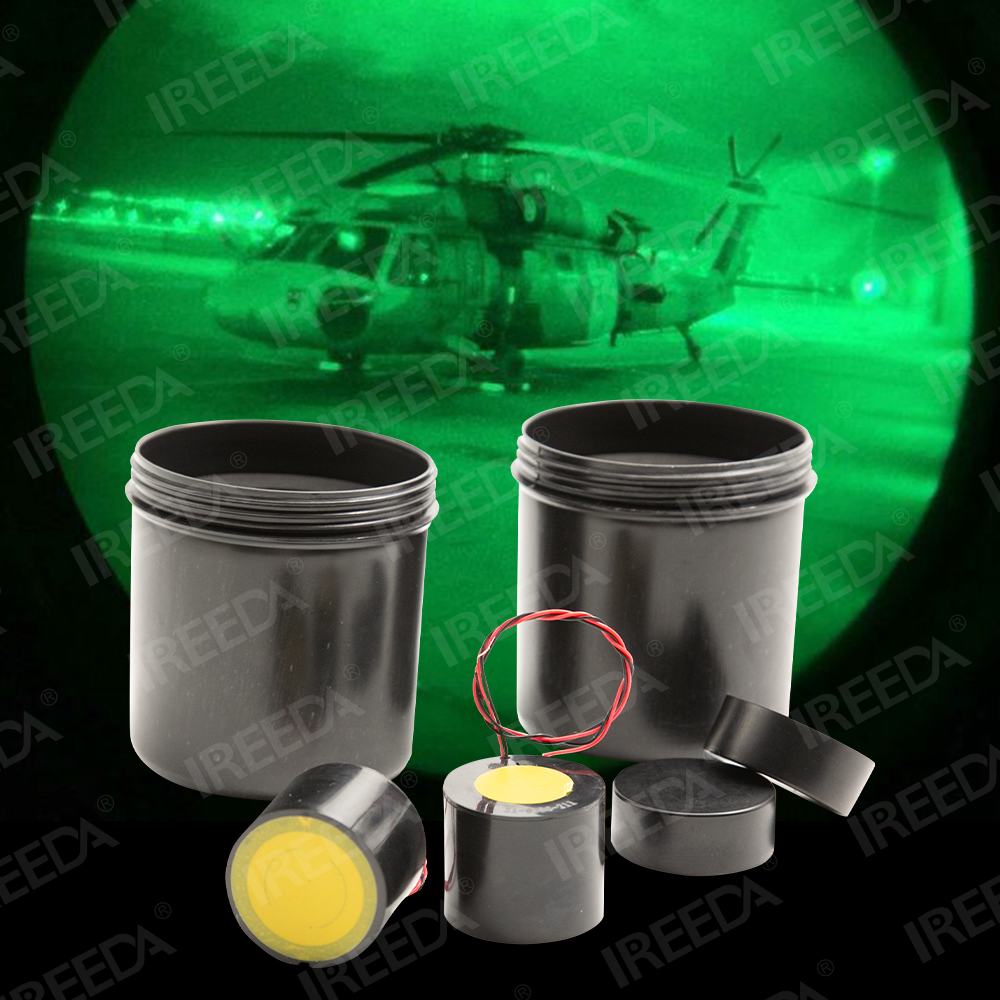
Maintenance measures are key means to extend the service life of image intensifiers. In daily maintenance, standardized cleaning operations are essential. Professional optical cleaning tools and reagents should be used, and the lenses should be cleaned according to specific operating procedures to avoid scratches or chemical corrosion on the mirror surfaces caused by improper cleaning methods. The storage process is also crucial. Image intensifiers should be placed in special storage boxes equipped with moisture - proof and shock - proof functions to prevent mechanical damage and environmental erosion. In addition, reasonable control of the equipment's usage frequency and continuous operating time is of great importance. The current surges generated by frequent switching on and off, as well as component overheating caused by continuous operation for long periods, will accelerate the aging of the equipment. It is recommended that the single continuous use time not exceed 4 hours, and a reasonable use interval should be maintained.
In conclusion, the service life of image intensifiers is jointly affected by multiple factors such as type, environment, and maintenance. Users need to fully understand these influencing mechanisms and strictly implement scientific maintenance management measures to maximize the performance of the equipment, extend its service cycle, and achieve the maximum return on equipment investment.