Unlocking the Mystery of PVS-14 and the Cost of Night Vision
Shaanxi Ireeda Protective Technology Co., Ltd.
Engineer Manager : Ms.Melin
WhatsApp: +8618291418396
E-mail: melin@ireeda.com
Hello, dear friends from abroad! Today, we're going to delve into two intriguing questions that often puzzle those interested in night vision technology. First, what does "PVS-14" stand for? And second, why is night vision still expensive? Let's dive right in.
What Does PVS-14 Stand For?
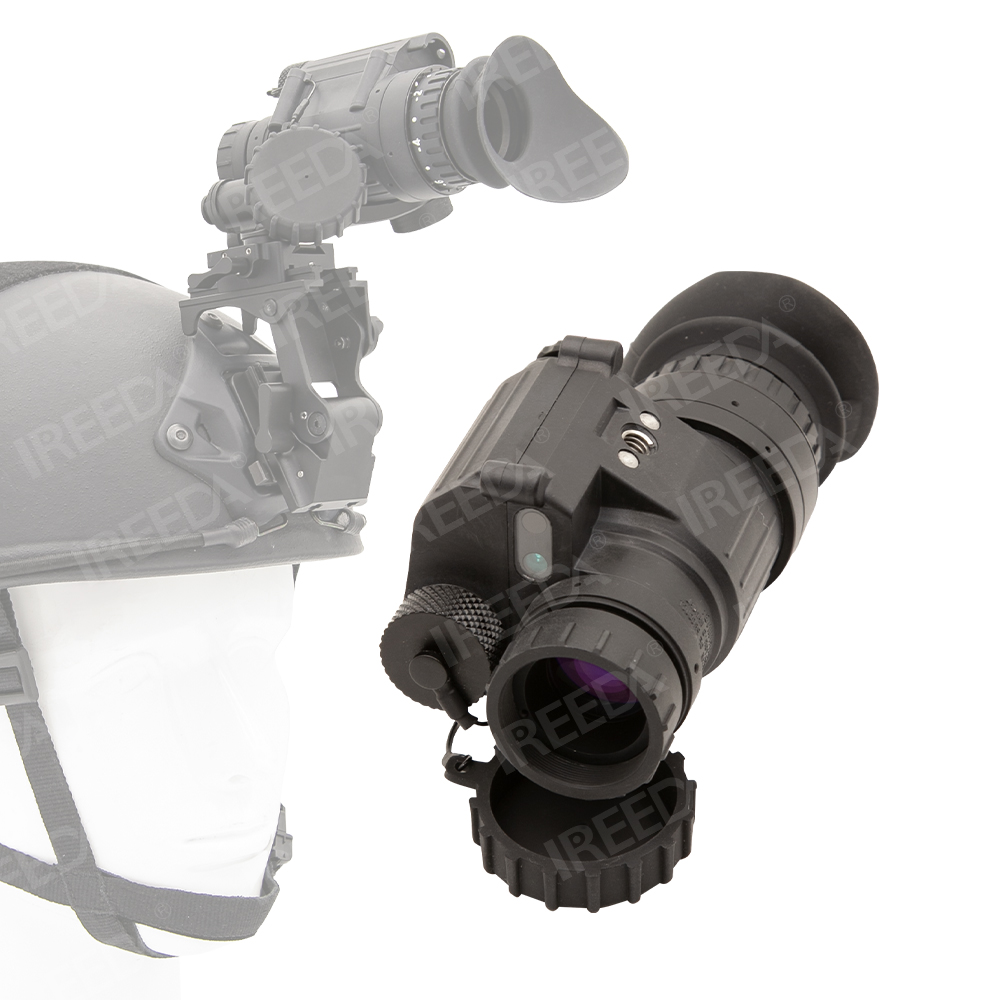
PVS-14 is a military designation for a type of night vision monocular that houses a Generation 3 Image Intensifier Tube. This device is officially known as the AN/PVS-14 Monocular Night Vision Device (MNVD). It's a head- or helmet-mounted passive device that amplifies ambient light and very near infrared to allow users to see in low-light conditions. The PVS-14 is renowned for its versatility, durability, and relatively affordable price compared to other high-end night vision devices
- Complex Technology
- High-Quality Components
- Limited Market and Production
- Regulatory Restrictions
- Research and Development
In summary, IREEDA PVS-14 is a highly capable night vision monocular widely used by militaries and law enforcement agencies around the world. Night vision devices remain expensive due to the complex technology, high-quality components, limited market, regulatory restrictions, and significant R&D investments required to produce them. While the cost may seem steep, the superior performance and durability make them a worthwhile investment for those who need to navigate and operate in low-light conditions.
IREEDA hope this answers your questions and sheds some light on the fascinating world of night vision technology.
Shaanxi Ireeda Protective Technology Co., Ltd.
Engineer Manager : Ms.Melin
WhatsApp: +8618291418396
E-mail: melin@ireeda.com